Welcome to Success Publishers, the trailblazers in creating captivating city maps in aerial view. With over 20 years of unparalleled experience, we have established ourselves as the leading experts in both printed and virtual formats, transforming how people navigate and explore urban landscapes.
Our Legacy
For more than two decades, Success Publishers has been at the forefront of cartographic innovation.
Get link
Facebook
X
Pinterest
Email
Other Apps
Top 9 Reasons - Why Your Next Destination Could Have Been Madurai?
"Lost in the Labyrinth of Madurai's Bustling Streets, Where every turn reveals a new Adventure"
IntroductiontoMadurai:
Historical Significance:
Madurai, often referred to as the " Athens of the East " and the "Cultural capital of Tamil Nadu" is a city steeped in history, tradition and spirituality. Located on the banks of river Vaigai, in the southern part of India, Madurai is one of the oldest, continuously inhabited city in the world, with a history of dating back over 2500 years.
Madurai boast a rich and illustrious past, serving as the capital of Pandyan kingdom during the ancient times. The city flourished as a center of Tamil culture, language and literature, with renowned Tamil poets and scholars contributing its intellectual heritage. Its strategic location on major trade routes attracted merchants and travelers from distance lands, fostering a cosmopolitan atmosphere and cultural exchange.
2. Geographical overview:
Location: Madurai is situated on the banks of the river Vaigai, in the Madurai district of Tamil Nadu. It lies approximately 460 K.M southwest of the state capital, Chennai.
Topography: The terrain of Madurai is predominantly flat, with occasional undulating hills in the outskirts. The cityscape is characterized by fertile plains, dotted with numerous water bodies including tank and reservoirs. The river Vaigai, a perennial river, flows through the heart of the city, contributing to its agricultural productivity and cultural significance.
Climate: Madurai experiences a tropical savanna climate, characterized by hot and dry weather for most of the year. The summer month from March to June, are typically hot, with temperature often exceeding 40 degree Celsius (104 degree Fahrenheit ). Monsoon rains arrive in Madurai between June and September, providing relief from scorching heat. The winter months from November to February, are relatively mild and pleasant, with temperature ranging from 20 to 30 degree Celsius (68 to 86 degree Fahrenheit).
3. Cultural Significance:
Madurai holds immense cultural significance, deeply rooted in it's rich history, religious heritage and vibrant tradition. Here are some key aspects highlighting Madurai's cultural importance.
Literary Legacy: Madurai has been a cradle of Tamil literature, poetry and scholarship for centuries. The city served as a vibrant center of Tamil culture, during the sangam period, fostering the growth of Tamil literature. Renowned Tamil poets and scholars, such as Thiruvalluvar, Avvaiyar, Nakkeerar and Kambar have contributed to Madurai literary legacy, enriching the Tamil literature with their timeless work.
Cultural Festivals: Madurai comes alive during its colorful festivals and celebrations, showcasing its cultural vibrancy and community spirit. The annual Goddess Sri Meenakshi Thirukkalyanam festival, celebrating the celestial wedding of Goddess Sri Meenakshi Amman with lord Sri Sundareswarar (Lord Shiva), is a grand affair, marked by procession, music dance and religious rituals. The other festivals, such as "Chithirai Thiruvizha Festival", Punguni Uthiram Festival" and "Navarathri" also hold significant cultural importance attracting the pilgrims and travelers from far and wide.Navarathri Festival
"Madurai - Where History Whispers through its Magnificent Temples and Vibrant streets"
Must - visit / Attractions in Madurai: Madurai Sri Meenakshi Amman Temple
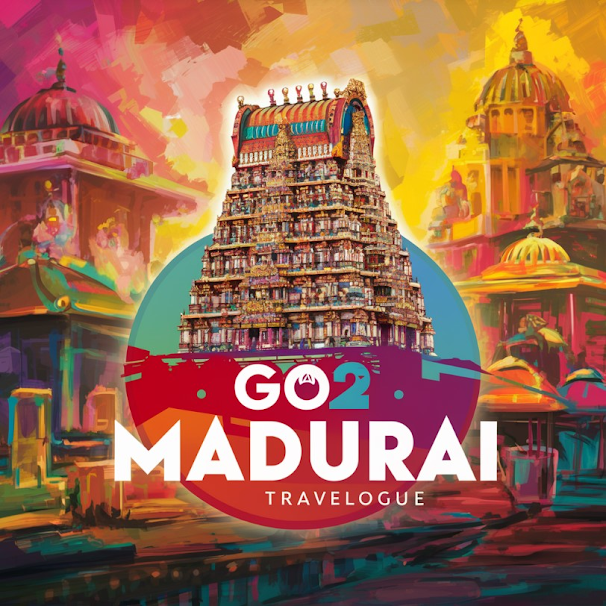
The iconic Sri Meenakshi Amman temple stands as the epitome of Madurai's cultural and religious heritage. Dedicated to Goddess Sri Meenakshi Amman, the presiding deity, and Her consort Lord Sri Sundareswarar (Lord Shiva), the temple is a master piece of "Dravidian architecture. The temple's towering gopurams (gateway towers), intricately carved sculptures and sacred rituals attract million of devotees and tourists from around the world, making it a symbol of spiritual devotion and architectural grandeur.
Meenakshi Amman Temple History
Must - visit / Attractions in Madurai: Thirumalai Nayakkar Palace
Thirumalai Nayakkar palace is a 17th century palace erected in 1636 AD by the king Thirumalai Nayakkar, a king of Madurai. It is a magnificent architectural marvel that reflects the grandeur and opulence of the Nayak dynasty in Madurai.
ImpressiveArchitecture: The palace is renowned for its stunning Indo - Saracenic architecture which blends the elements of Dravidian, Islamic and European styles. It features towering domes, grand arches, intricately curved pillars and ornate facades adorned with elaborate stucco work and sculptural motifs.
GrandCourtyards: The palace complex encompasses vast courtyards and sprawling gardens, offering a sense of grandeur and majesty. The main courtyard known as Swarga vilasam or Celestial Pavilion is particularly impressive with its massive dimension and architectural splendors.
ThroneHall: One of the highlight of the palace is Durbar Hall or Throne Hall, where the Nayak rulers held court and conducted the official ceremonies. The hall is characterized by its colossal pillars, ornate ceilings and a raised platform where the royal throne once stood exuding an aura of regal authority and power.
Stunning Interiors: The interiors of the palace are adorned with exquisite frescoes, murals and paintings depicting scenes from Hindu mythology, royal processions and courtly life. The intricate detailing and vibrant colors add to the palace's allure and beauty, transporting visitors back in time to the golden age of Nayak Dynasty.
SoundandLightShow: To enhance the visitors experience, the Madurai Nayakkar Mahal hosts a captivating 'Sound and Light show'in the evenings. The show narrates the history of the palace and the Nayak rulers through a multimedia presentation projected onto the walls of the palace, creating a mesmerizing spectacle of light, sound and story telling.
HistoricalSignificance: Beyond its architectural splendor, the Madurai Nayakkar Mahal holds a significant historical importance as a symbol of Nayak Dynasty's power and influence in South India. It serves as a reminder of Madurai's rich cultural heritage and illustrious past as a thriving center of art, architecture and royal patronage.
Overall, the Madurai Nayakkar Mahal stands as a testament to the grandeur and the magnificence of Nayak rulers, captivating visitors with its architectural beauty, historical significance and timeless allure.
Gastronomic Adventures in Madurai
Traditional South Indian Cuisine
Madurai, being a cultural hub of Tamil Nadu, offers a rich tapestry traditional South Indian Cuisine that is sure to tantalize your taste buds. Here, are some Iconic dishes and delicacies that you must try when visiting Madurai.
Jigarthanda : Cool off with a refreshing glass of Jigarthanda a popular summer drink, native to Madurai. Made with a combination of milk, almond gum, sarsaparilla syrup and ice cream, jigarthanda is a creamy and indulgent treat that offers relief from scorching heat.
Kotthu Parotta : A beloved street food specialty of Madurai, kotthu parotta is a spicy and flavorful dish made by shredding parottas (layered flatbread) and stir-frying them with onions, tomatoes, eggs and medley of spices. Served hot and garnished with fresh coriander, kotthu parotta is a must-try for food enthusiast.
Paniyaaram : These savory rice and lentil dumplings are a staple in Madurai cuisine often enjoyed as a snack or breakfast dish. Paniyarams are typically made using a special pan with small, round molds, resulting in crispy exteriors and soft fluffy interiors. They are best paired with coconut chutney and sambar for a satisfying meal.
Chettinad Chicken : Indulge in the rich and aromatic flavors of chettinad chicken, a traditional South Indian dish hailing from the Chettinad region near Madrai. Prepared with a blend of freshly ground spices, including black peppercorns, cloves, cinnamon and star anise, Cheetinad chicken is known for its bold and fiery taste that will leave you craving for more.
Pongal : No visit to Madurai is complete without savoring a bowl of piping hot pongal, a comforting and wholesome dish made with rice, lentils, ghee and spices. This traditional South Indian breakfast delicacy is often served with coconut chutney, sambar and a generous drizzle of clarified butter for added flavor.
These are a few examples of the mouth watering dishes that await you in Madurai. With its rich culinary heritage and diverse range of flavors, Madurai offer a gastronomic journey like no other, promising a memorable dining experience.
Local Markets & Food Hubs
Madurai is renowned for its vibrant local markets and bustling Food Hubs offering a tantalizing array of culinary delights and cultural experience. Here are the some must - visit markets and food destinations in Madurai.
Meenakshi Amman Temple Market : Adjacent to the iconic Madurai Meenakshi Amman Temple this bustling market is treasure drove of souvenirs, religious item, traditional handicraft and local snacks. Visitors can browse through a variety of stalls selling colorful bangles, intricately crafted idols, aromatic spices and mouthwatering street food.
Puthu Mandapam : A few years back, all the stores selling brass and copper idols, utensils and temple related items had been shifted to a new built shopping complex, namely Kunnathur Chathiram nearby, where, now the same things have been ready for sales. This Puthu mandapam has been prepared as a museum for public visit.
Vilakkuthoon Market : Situated near the Periyar Bus stand, Vilakkuthoon market is a bustling wholesale market known for fresh produce, spices and groceries. Visitors can immerse themselves in the sights, sounds and aromas of the market as they navigate through the maze of stalls selling everything from fruits and vegetables to grains, pulses and spices.
Arappalayam Market : Located near the Arappalayam Bus stand, this bustling market is known for its fresh fish, meat and poultry products. Visitors can witness the hustle and bustle of the market as vendors display their fresh catches and butchered meats, offering a glimpse into the local culinary scene.
Other than these, there have been so many local markets like, North Masi - noted for lorry offices and fresh fruits of wholesale and retail, EastMasi - noted for groceries, oil stores, garlic,weighing scales and roadside mobile vadai shops etc., SouthMasi - noted for local manufacturers of garments and silk shops and various eatables, East Maret - noted for wholesale and retail of onion market. Visitors of Madurai are sure to be captivated by the sights, sounds and flavors of these bustling hubs of activity.
Jallikattu / The Bull Tamming Event
CulturalHeritage : Jallikattu is deeply rooted in Tamil culture and has been practiced for centuries as part of the Pongal festival celebrations. It is believed to have originated as the ritual to honor the valor of warriors and farmers as well as to test their strength and courage.
EventTiming : Jallikattu events are typically held during the Pongal festival which usually falls in January, coinciding with the Tamil month of Thai. The sport is also organised on other occasion and festivals in various villages around Madurai.
Venue : Jallikattu events in Madurai are usually held in specially designated arenas or open field where bulls are released into the arena and participants attempt to tame them. These arenas are equipped with barricades and safety measure to ensure the well being of both participants and spectators.
ParticipantPreparation : Participants known as "Veluva" or bull tamers undergo rigorous training and preparation before participating in Jallikattu. They often engage in physical fitness activities, practice bull taming techniques and develop strategies to safety subdue the bulls during the events.
BullSelection : Bulls used in Jallikattu are carefully selected and prepared for the event by their owners. These bulls are often adorned with colorful garlands and decorations as a mark of respect and reverence. They are prized for their strength, agility and ferocity, making the event both challenging and exhilarating for participants.
RegulatoryMeasures : In recent years, there have been efforts to regulate and ensure the safety of Jallikattu events. Varioud guidelines and rules have been implemented to safeguard the welfare of animals and participants, including the use of non injurious method to tame the bulls and the presence of veterinary experts and officials to monitor the proceedings.
CulturalSignificance : Jallikattu is more than a sport; its a cultural tradition that symbolizes courage, valor and deep bond between humans and animals. Its celebrated as a form of cultural identity and heritage, fostering community spirit and pride among the people of Madurai and Tamil Nadu. Overall, jallikattu in Madurai remains a cherished tradition that continues to captivate participants and spectators alike, embodying the essence of Tamil culture, bravery and camaraderie.
Off - the - Beaten - Path Discoveries in Madurai
Exploring off-the-beaten-path destination in Madurai can lead to unique and enriching experiences beyond the city's well known attractions. Here are some hidden gems and lesser known places to discover in Madurai.
Gandhi Memorial Museum
St. Mary's Cathedral
Vaigai Dam
Goripalayam Dargah
Athisayam Amusement Park
Koodal Alagar Temple
Palamuthir Solai
Exploring these off-the-beaten-path discoveries in Madurai will allow you to delve deeper into the city's cultural, historical and natural treasures, creating unforgettable memories and experiences along the way.
Conclusion
In conclusion, Madurai offers a delightful blend of History,Culture and Gastronomy that promises a memorable travel experience for all wanderers. Whether you seek spirituality, History or simply a taste of authentic South Indian life, Madurai has something to offer every traveler.
FAQs :
1. Is Madurai safe for solo traveler?
Madurai is generally safe for solo travelers, but any other destination, it's important to exercise caution and be mindful of your surroundings.
2. What is the best time to visit Madurai?
The best time to visit Madurai is during winter months (October to March) when the weather is pleasant and ideal for sightseeing.
3. Are there any cultural norms to be aware of while visiting Madurai?
Visitors of Madurai are advised to dress modestly while visiting Temples and religious sites and to respect local customs and traditions.
Do you think, Madurai will be your next destination ? Comment me!


Comments
Post a Comment